

Gas Safe Installation Certificate
A gas safe certificate confirms the safety of your heating system at your home or workplace. It also documents the results of the inspection and is a legal requirement.
Gas Safe Register engineers can issue you a certificate of safety in gas. This is a requirement of law and protects you from criminal or fine charges.
It proves that the installation is safe
A gas safety certificate is a vital document that shows the safety of the heating appliances and flues that are in a house. It is required for landlords renting out properties, and is also recommended for homeowners. The process for obtaining the gas safety certificate is straightforward and straightforward. The first step is to find a Gas Safe registered Engineer in your area. This can be accomplished by visiting the Gas Safe Register and using their search engine to locate competent professionals in your area. Verify the qualifications of an engineer by looking at their photo ID and then examining what type of work they are licensed to perform.
The inspector will assess the condition of every appliance and install and issue a an safety report. They will make sure that the ventilation passages are clean and free of obstructions and that harmful gases such as carbon monoxide can't accumulate in the property. They will also check that the installation has been properly vented, and the gas pipework is correctly secured.
When the inspection is completed, the engineer will give the landlord a copy of the gas safety certificate. This is a legal requirement and must be kept for a minimum of two years. Landlords must take extra care to save this document as it may be needed in the event of any accidents or gas-related accidents.
If a landlord loses the gas safety certificate, he should immediately find a replacement to avoid legal issues. It is best to keep an electronic or printed copy of the certificate in the event that it is destroyed or lost. Moreover, if a landlord is planning to sell his property, the potential buyer might demand a copy of the certificate to ensure the property is safe to move into.
A gas safe certificate is not only an obligation under the law however, it also gives peace of mind to tenants and owners. It ensures that the equipment and installations are safe to use, which can help keep them running efficiently. The document can also help to prevent accidents and help reduce insurance claims.
It documents the results of the inspection.
In a gas safety inspection an engineer who is certified documents the results of an installation or appliance, and then lists them on the Gas Safe Certificate (CP12). The document contains crucial information about the inspection, like the date along with the address and the description of the property. It also identifies any safety issues and suggests the steps to correct them. In addition, the certificate includes the name, signature and Gas Safe registration number of the engineer who performed the inspection.
Landlords must have gas safety certificates for each gas appliance they have in their rental property. This certificate must be updated every year. Without these certificates, landlords are at risk of huge fines and could have appliances that are unsafe to use. This is why it's crucial to know what is a CP12 includes and how to interpret it.
The left-hand corner of the CP12 document is where you will find the name of the engineer and his registration number that can be checked against the engineer's Gas Safe record. Below the box, there are two boxes, one for the information of the property being examined and the other for the name of the landlord or representative. The bottom left corner of the certificate will show the result of the inspection: Pass or Fail. The engineer can also write the date for the next inspection.
While homeowners aren't legally required to have a gas safety certificate but they should take the time to do so. This will help avoid accidents and problems and could save them money on their energy costs. It's also an excellent idea to keep a copy of the certificate for future reference.
A homeowner who is thinking of buying a new gas appliance should be sure that the installer has an Gas Safe certificate before allowing them to work on it. This will guarantee that the installer is certified and able to provide an extensive and thorough inspection of the gas appliances. The installer should also notify the gas company of any repairs or replacements made.
It is also recommended homeowners to have their gas appliances checked regularly, particularly prior to placing the property for sale. This will ensure that any issues are identified early and won't affect the sale of the home.
It is an obligation of law
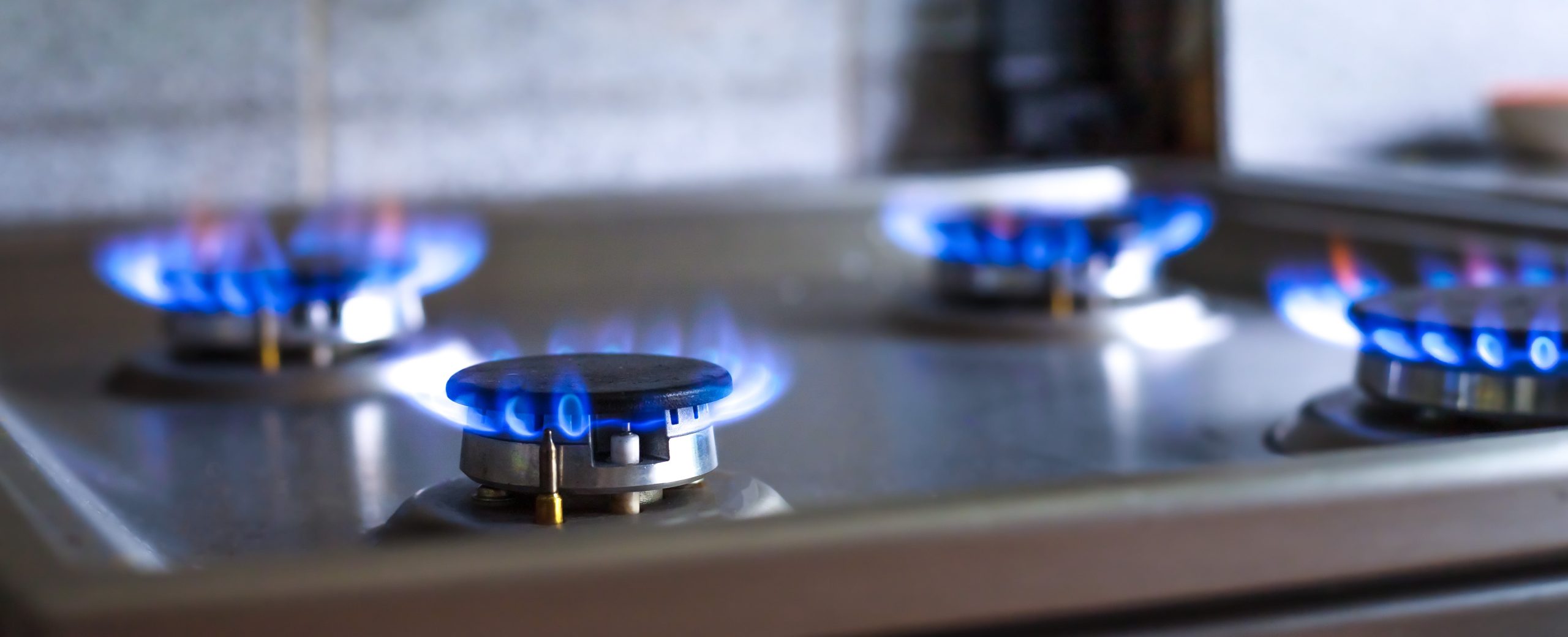
In the UK, a gas safety certificate is an obligation for landlords who rent properties. It confirms that gas appliances, flues, and connecting pipes are safe and comply with the relevant regulations. A valid gas certificate is crucial because a defective appliance could cause explosions, fires and carbon monoxide poisoning. Additionally, insurance companies typically will not pay out if there is an claim due to the fact that the policyholder failed to meet standard safety protocols.
The top of a gas safety certificate will show the name and registration of the engineer who carried out the inspection. It will also provide details about the location the location of the inspection. It should also contain the date and expiration date of the inspection. The document must also contain the official logo of Gas Safe Register in order to be valid.
Legal action can be taken against landlords and property owners without a gas safety certification. In addition to being a legal requirement, gas safety certificates will help maintain good relationships with tenants and guarantee the longevity of appliances. It also helps protect against liability and cut down on repair costs. Landlords must ensure that their gas appliances go through regular inspections to avoid costly repairs.
Another benefit of gas safety certificates is that it can help identify any potential hazards and avoid accidents at work. This helps companies keep their employees safe and show a commitment to workplace security. Regular inspections are also a great way to detect any potential problems and solve them before they become worse.
The homeowner is not required to get gas safety certificates, but it can be beneficial. gas safety certificate replacement is useful in selling the property or as proof of warranty, and also give peace of mind by affirming that gas systems are safe. It is important for homeowners to comprehend the significance of this document and to have it regularly updated.
Gas safety certificates are required for all rental and commercial properties. Tenants and landlords alike must test the safety of their gas appliances, flues and connecting pipework. Gas certificates are also recommended for residential homeowners. This will provide them with peace of mind and ensure their gas appliances are safe.
It provides peace of mind
Gas safe installation certificates are essential for landlords since they show that the property is up to safety standards and also reduce the chance of legal liabilities and issues. It also makes tenants feel more secure knowing that their appliances are in safe hands and that the property is maintained. To prevent fraud landlords should seek out an engineer who is Gas Safe registered. You can check by visiting the Gas Safe Register website and entering the engineer's information.
Whether you are a commercial or residential landlord, making sure your gas systems meet the requirements is essential to the health and well-being of your employees and tenants. Regular inspections and maintenance help you avoid the negative effects of carbon monoxide and gas leaks. A valid gas safety certificate can help you to avoid potential dangers and help you save the cost of repairs and fines.
The Gas Safety Certificate or CP12 contains information such as the name and ID number of the inspecting engineer as well as the address of the property being which was inspected, and a list of all gas appliances and their locations, and whether they are safe to use (pass or fail). It also outlines any faults found with appliances that are considered to be unfit for use. The appliance that is malfunctioning will be classified as ID, AR, or NCS and must be repaired immediately to prevent any injuries or accidents.
Keep copies of all gas certificates to use as an example. This is particularly important for landlords who may be thinking of selling their property in the near future. A lost or expired gas safety certificate can result in legal issues and it is important to have duplicates on hand in case they are lost or destroyed.
It is also important to remember that it's against the law to let a property go without an official certificate of gas safety. If a landlord doesn't provide a CP12 and is found to be in violation, they could be punished with heavy fines or even imprisonment. Having a gas safety certificate will put the mind of potential buyers at ease that the home is safe to live in, which could boost the chances of selling.